
URBANISATION AND THE SURGE IN FOOD DEMAND ACROSS EMERGING MARKETS

The global agri-food sector is entering a phase in which growth is shifting. Mature markets remain essential, but the most dynamic volumes are emerging in countries where demographic growth, urbanisation and rising incomes are changing consumption habits. The city is becoming a market driver: it concentrates buyers, reduces the distance between brands and consumers, and imposes faster, more convenient and more structured formats.
According to the United Nations, 55% of the world’s population lived in urban areas in 2018, a share expected to reach 68% by 2050. The World Bank notes that cities generate more than 80% of global GDP. For food, this concentration changes the commercial equation: more out-of-home meals, more processed products, growing demand for delivery, snacking, ready meals and cold chain infrastructure.
The FAO underlines that urbanisation is transforming agri-food systems beyond cities themselves, by connecting rural production, peri-urban areas, wholesale markets, modern distribution and access to healthy food. For exhibitors, this perspective is strategic: the city does not simply create additional demand, it reorganises the entire value chain.
Asia: convenience becomes a market
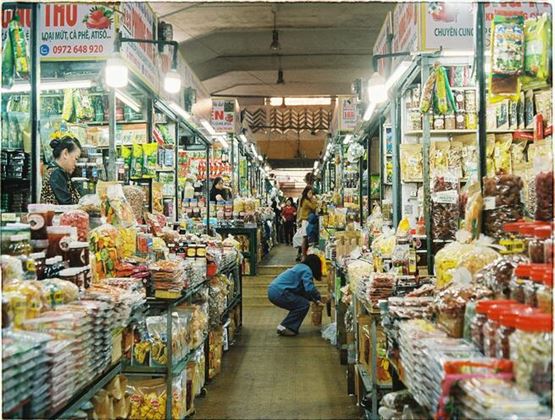
In Asia, megacities are accelerating demand for food solutions adapted to urban lifestyles. In India, urbanisation, female employment and commuting times are fuelling the development of ready-to-eat meals. According to IMARC Group, the Indian ready-to-eat meals market reached USD 6.2 billion in 2025, and could reach USD 12.3 billion by 2034.
This momentum illustrates a food transition structured around time-saving. Brands able to combine local taste, accessible pricing, shelf stability and quick preparation have a favourable playing field. Sauces, culinary bases, fortified snacks, single-portion meals and processed protein products are becoming high-potential categories for exporters.
Indonesia is following a similar trajectory. According to the USDA Foreign Agricultural Service, the country has 282 million inhabitants and represents the largest market in Southeast Asia. Rising urban incomes are supporting demand for dairy products, wheat, meat, fresh fruit and more convenient products, with growing attention paid to health and convenience.
Africa: urban consumption and local processing
In North Africa, urbanisation is encouraging the rise of modern channels. Algeria has more than 45 million inhabitants and its food market remains one of the largest in the region. According to the USDA Foreign Agricultural Service, Algerian food retail was estimated at USD 37.5 billion. In major cities, packaged products, snacking and ready meals are gaining ground, driven by young, price-sensitive consumers.
Egypt illustrates another lever: the growth of foodservice, online ordering and ready-to-eat products. In major urban centres, demand is no longer limited to finished products. It also concerns packaging, shelf-stable ingredients, the cold chain and solutions that enable faster delivery.
In West Africa, Nigeria holds one of the region’s greatest areas of potential. According to Market Research Store, the Nigerian food and drink market was valued at around USD 53.87 billion in 2024, and could reach USD 84.83 billion by 2032. In a young and highly urbanised country, food security depends as much on production as on the ability to process, store and distribute food.
Côte d’Ivoire is focusing precisely on this logic. According to Reuters, Africa Global Logistics plans to invest more than EUR 60 million in inland logistics to strengthen Abidjan’s role as a regional hub. This logistics infrastructure supports the circulation of processed products, inputs and exports to neighbouring countries.
Local processing is also becoming a strategic priority. The Economie Ivoirienne portal indicates that Côte d’Ivoire’s nominal cashew nut processing capacity rose from 77,384 tonnes in 2014 to 350,000 tonnes in 2023. In Ghana, Mordor Intelligence estimates the agricultural market at USD 10.21 billion in 2026. In Senegal, the USDA Foreign Agricultural Service highlights the growth of urban demand for dairy products, poultry, cereals and high-quality imported products.
Europe and the Americas: market access and industrial strength
In Argentina, growth is being driven by trade liberalisation. In January 2025, the government launched a deregulation process for food imports and exports. According to FreshPlaza, this reform aims to reduce bureaucracy, lower costs and facilitate access to foreign products.
In Europe, Poland demonstrates the importance of the industrial base. According to BBioNets, the Polish food and beverage sector employs around 475,000 people. In a context where cities require regularity, competitive prices and consistent quality, this manufacturing strength becomes an advantage.
When the city reshapes distribution
Urbanisation concentrates demand and makes modern retail, e-food and out-of-home catering more relevant than traditional channels alone. It also encourages innovation: young populations adopt snacking, convenient drinks, single-portion meals and delivered formats more quickly.
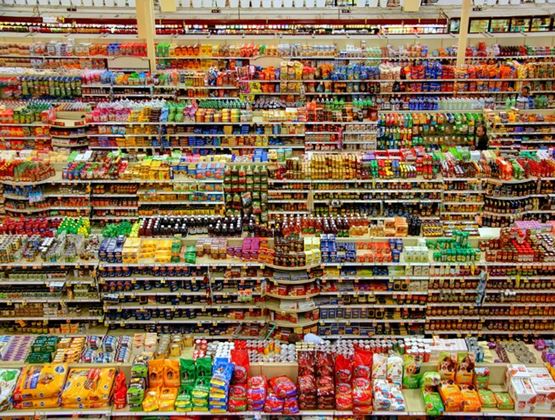
These shifts echo the analyses of SIAL Insights, which observes major international food trends through consumer behaviour, innovation and market signals. For exhibitors, the message is that emerging cities are not only places of consumption, but platforms for food modernisation.
At SIAL Paris, this momentum finds a natural meeting point between manufacturers, distributors, buyers, start-ups, foodservice players, modern retail operators and logistics infrastructure specialists. In a world where cities organise demand, the show becomes a strategic space for understanding new growth areas and turning urbanisation into concrete opportunities for the global agri-food industry.
credit image:
Cien Nguyen - Pexels
Peter Bond - Unsplash
Denys-nevozhai-Unsplash