
ORANGE WINE IS HAVING ITS MOMENT

Orange wine owes its hue not to oranges, but to the way white grapes are macerated. White grapes are fermented with their skins, seeds and sometimes stems, using techniques more commonly associated with red wine. The result is a deep amber colour, subtle tannins and a structure that challenges expectations shaped by conventional white wines.
Presented in the recent SIAL Unpack short film, the category is not a passing curiosity but part of a broader transformation within the global wine landscape. In the context of SIAL Paris, a leading global food trade show and key meeting point for the food sector, orange wine reflects how ancient practices can resurface at the heart of contemporary debate.
An ancient method rediscovered
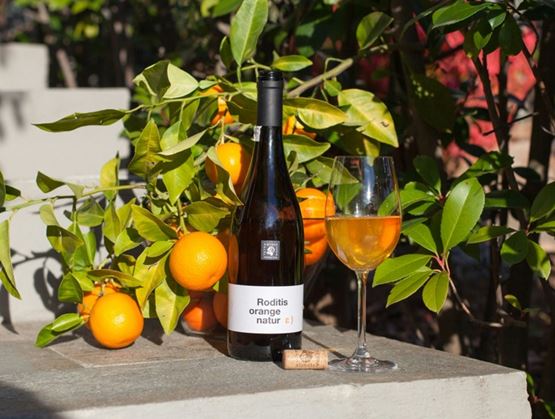
The origins of orange wine stretch back some 5,000 years to Georgia, widely regarded as one of the cradles of viticulture. Archaeological findings show that early winemakers fermented grapes in large clay vessels known as qvevri, buried underground to ensure stable temperatures. These vessels allowed prolonged contact between juice and grape skins, producing wines with a distinctive amber colour and firmer texture than most modern whites.
For centuries, this approach remained largely regional. In the late twentieth century, however, producers in parts of Italy and Slovenia began revisiting skin contact techniques, inspired by low intervention and traditional methods. Their work attracted the attention of sommeliers and importers seeking wines with character and narrative depth. What had once been viewed as unconventional gradually gained credibility.
Today, orange wine carries both historical weight and contemporary relevance. Its revival mirrors wider movements across food industry sectors, where heritage techniques are reinterpreted to meet modern tastes. At an international food industry exhibition such as SIAL Paris, where producers, buyers and analysts assess evolving consumer behaviour, this balance between authenticity and innovation resonates strongly.
Technique, texture and versatility
The defining characteristic of orange wine lies in its production method. While most white wines are pressed quickly to separate juice from skins, orange wines ferment with the skins for extended periods. This extraction process draws out phenolic compounds and tannins, lending the wine both colour and structure.
The sensory profile can vary widely depending on grape variety and length of maceration. Common descriptors include dried apricot, orange peel, tea leaf and subtle spice. Crucially, most examples are dry rather than sweet, a point often misunderstood by newcomers. The tannic grip allows orange wine to sit comfortably between white and red categories.
This structural versatility explains its growing presence on diverse menus. The SIAL Unpack video highlights how orange wine pairs as convincingly with fresh summer ceviche as it does with roasted winter squash. It complements dishes that might overpower lighter whites, yet avoids the heaviness sometimes associated with full-bodied reds. From terrace lunches to autumn dinners, its adaptability supports the idea of a wine for all seasons.
Within a food innovation exhibition environment, such versatility carries commercial implications. Buyers seek products capable of crossing seasonal and culinary boundaries. Orange wine offers a distinctive narrative and practical flexibility, qualities increasingly valued in a competitive marketplace.
A cultural shift beyond trend
Beyond production and pairing, orange wine is experiencing a notable surge in visibility. Social media monitoring indicates that mentions have risen by around 30 per cent over the past year. Photographs of amber glasses, backlit by evening light, circulate widely across digital platforms, often linked to discussions of natural wine and artisanal craft.
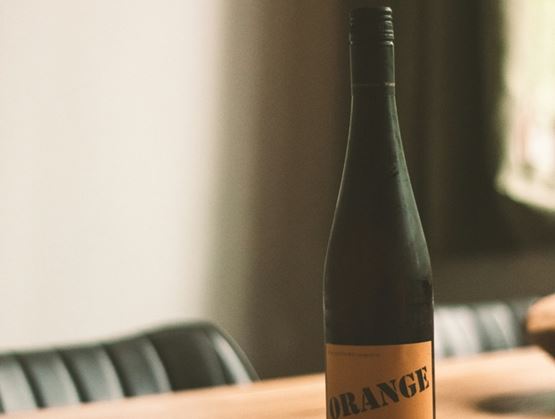
The rise is not confined to specialist bars. In Bordeaux, a region traditionally defined by red blends, some producers are experimenting with skin contact whites. This pivot reflects both climatic evolution and market curiosity. As growing conditions change and consumer expectations diversify, producers are reassessing long-established portfolios.
The SIAL Unpack video positions orange wine within this broader transformation. Rather than portraying it as a short-lived fashion, the film suggests it signals a deeper recalibration of taste. Consumers show increasing willingness to explore unfamiliar formats, provided they carry authenticity and clear provenance. This pattern is visible across multiple categories, from fermented foods to other innovative drinks showcased within the wider international food trade show circuit.
At SIAL Paris, such developments are not isolated phenomena but part of an interconnected ecosystem. The event brings together stakeholders from across the food sector, creating a space where shifts in production, distribution and consumption can be observed in real time. By featuring orange wine in its Unpack series, SIAL highlights how a product rooted in millennia-old technique can become emblematic of contemporary appetite for experimentation.
Ultimately, orange wine’s appeal lies in its dual identity. It is both ancient and modern, familiar in its grape base yet surprising in texture and colour. Its copper glow signals difference, while its method speaks to continuity. For producers and buyers alike, this combination offers strategic potential as well as sensory intrigue.
As the global community looks ahead to the upcoming edition of SIAL Paris, orange wine stands as a reminder that transformation often begins by revisiting origins. It is not a drink defined by novelty alone, but by the reinterpretation of tradition. In a marketplace that prizes both story and substance, that balance may prove to be its most enduring strength.
Image credits:
Олег Мороз for Unsplash
ALEXANDRA TORRO for Unsplash
Konrad Nowacki for Unsplash