
FOOD SOVEREIGNTY: A KEY ISSUE AMID ENVIRONMENTAL AND GEOPOLITICAL CHALLENGES

With the year 2030 as a key deadline for achieving healthier, more sustainable, and locally sourced food in alignment with the UN Sustainable Development Goals to end hunger, improve nutrition, and promote sustainable agriculture, the food industry must act quickly to adapt to increasing pressure to transform food systems to be more resilient and sustainable.
Food sovereignty emphasises the rights of communities to control their food systems, ensuring that food production aligns with ecological sustainability, social equity, and economic viability. This principle prioritises local production, fair trade practices, and transparency in supply chains, reflecting a global movement toward more sustainable food systems. Governments and industries have been intensifying efforts to embed food sovereignty into national and international strategies, especially given the multiple challenges that affect food security and climate resilience.
Global shifts in policy and industry
Across the globe, governments are increasingly incorporating food sovereignty into their long-term strategies. This includes emphasising local sourcing and sustainable production methods. For example, France has committed to achieving 50% sustainable purchasing in public catering by 2030, with 20% of this being organic produce. Similarly, Denmark launched an action plan in 2023 to accelerate the shift toward plant-based production, while Singapore’s "30 by 30" strategy aims to produce 30% of its nutritional needs locally by 2030.
Countries like Germany, Canada, China, and the UK have also adopted coordinated frameworks linking nutrition policies, agricultural transformation, and climate objectives. The goal is not just food security but a complete transformation of the way food is produced and consumed globally.
These policies are not isolated. They are part of a structural shift in the global food system. As the demand for sustainable food continues to grow, the food sector must evolve, embracing food processing innovations and implementing environmentally responsible practices.
Consumer trends and demand for sustainability
Consumer behaviour plays a critical role in advancing the food sovereignty movement. Increasingly, consumers are demanding food that is both locally sourced and produced in an environmentally responsible manner. A recent French report (Baromètre Agri-Éthique 2026, Toluna x Harris Interactive) shows that 50% of French consumers are willing to pay an additional 3-5% for food that supports local production and sustainability. This is a clear indication that the market is shifting toward a preference for food that is not only nutritious but also sustainably sourced and environmentally friendly.
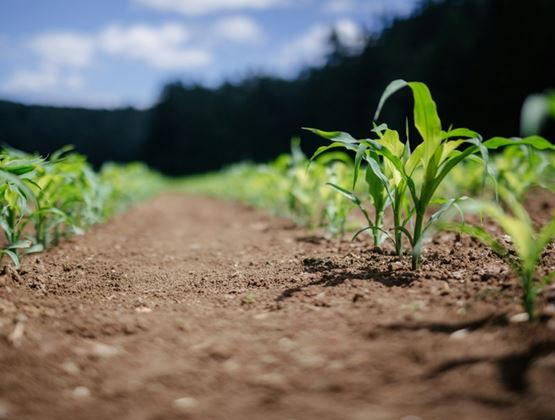
As this shift accelerates, businesses in the food sector are rethinking their sourcing and production methods. Food brands are under increasing pressure to prioritise traceability, local sourcing, and food sustainability. As a result, companies are focusing on building partnerships with local farmers and adopting practices that reduce their environmental footprint. By aligning with consumer values, companies are not only addressing new regulatory demands but also positioning themselves for long-term success in a competitive market.
The demand for plant-based proteins, eco-friendly packaging, and sustainable food systems is reshaping the way brands approach product development. Businesses that align with these shifts are leading the charge in meeting the changing needs of the market, while also contributing to the goal of a more sustainable and self-reliant food system.
Environmental pressures and global challenges
In addition to evolving consumer preferences, environmental factors are pushing the food industry toward greater self-sufficiency. Climate change is increasingly affecting food production, with extreme weather events disrupting crop yields and global supply chains. As geopolitical tensions rise and international trade becomes more unpredictable, the need for local food production has never been more critical.
The current global food system is fragile and heavily reliant on international supply chains, making it vulnerable to economic disruptions and environmental shocks. The food processing industry, in particular, is at risk from these pressures, as rising energy costs and logistical challenges threaten to increase production costs across the globe.
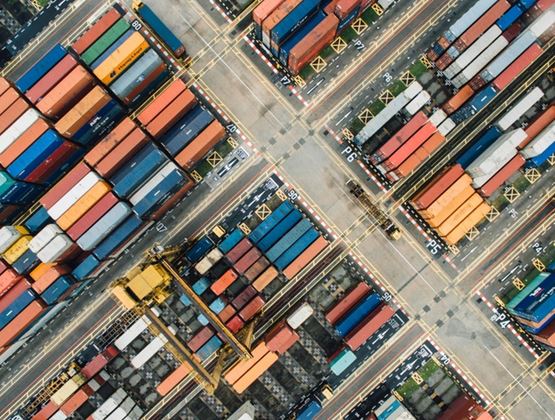
To address these challenges, many governments and industries are shifting towards decentralised food systems. These systems are less dependent on international trade and more focused on local food production. Urban farming, vertical agriculture, and agritech innovations are helping cities like Singapore and Copenhagen move toward greater food sovereignty, where food can be produced closer to where it is consumed, reducing the environmental impact of transportation and enhancing local resilience.
The role of SIAL Paris and its Summits
At SIAL Paris 2026, the global food industry will gather to explore these transformative themes from 17 to 21 October. As part of the rich programme lineup, SIAL Summits will provide critical insights into the future of the food sector.
On the morning of 19 October, the summit "Feeding a World Under Pressure" is particularly relevant to food sovereignty in today’s environmental and geopolitical context. It will focus on how the food industry must adapt to current environmental and geopolitical challenges. This will include discussions on how to ensure food security and build resilient food systems in the face of growing climate pressures. Experts will offer actionable solutions on how the food sector can prioritise local sourcing, sustainable practices, and environmentally friendly solutions to future-proof food systems.
In addition, the "Food Intelligence: The New Value Chain" summit will explore how data, AI, and digital platforms are reshaping the way the food industry operates, while the "The Rise of Personalized Food" summit will examine how science and technology are revolutionising food production and consumption.
These summits at SIAL Paris will provide invaluable insights for anyone in the food industry trade show space, offering a platform for collaboration, innovation, and the development of strategies that prioritise food sovereignty and sustainability. The discussions will be crucial in helping businesses and policymakers understand how to build a more resilient, sustainable food system.
Challenges and path forward
The journey toward food sovereignty is not without its challenges. The future of food systems depends on a collective effort from governments, businesses, and consumers to embrace sustainable practices and local food production.
Food businesses must work to build transparency, increase local sourcing, and adopt sustainable food packaging. As the demand for eco-friendly, locally sourced, and transparent products grows, the food sector will need to adapt to stay competitive.
At SIAL Paris, industry leaders and innovators will gather to address these pressing issues and shape the future of the global food system. As one of the world's leading food innovation exhibitions, we can expect meaningful conversations that will help businesses pivot to new, sustainable models. This will ultimately pave the way for a food system that is more resilient, innovative, and capable of adapting to the challenges of the future.
Image credits:
Adrian Infernus - Unsplash
CHUTTERSNAP - Unsplash